
RF Microneedling Devices and What They Treat
Two questions come before any RF microneedling booking: which device will be used, and what it is meant to treat. The answers should come from published sources, not from a device brand's own claims.
Sort the published record from the sales pitch
The National Library of Medicine hosts a paper that describes a technique this way: "A key component of this technique is sparing the epidermis while simultaneously stimulating dermal inflammation, proliferation, and revascularization." A provider can tell you which device they use to do that, and you should ask.
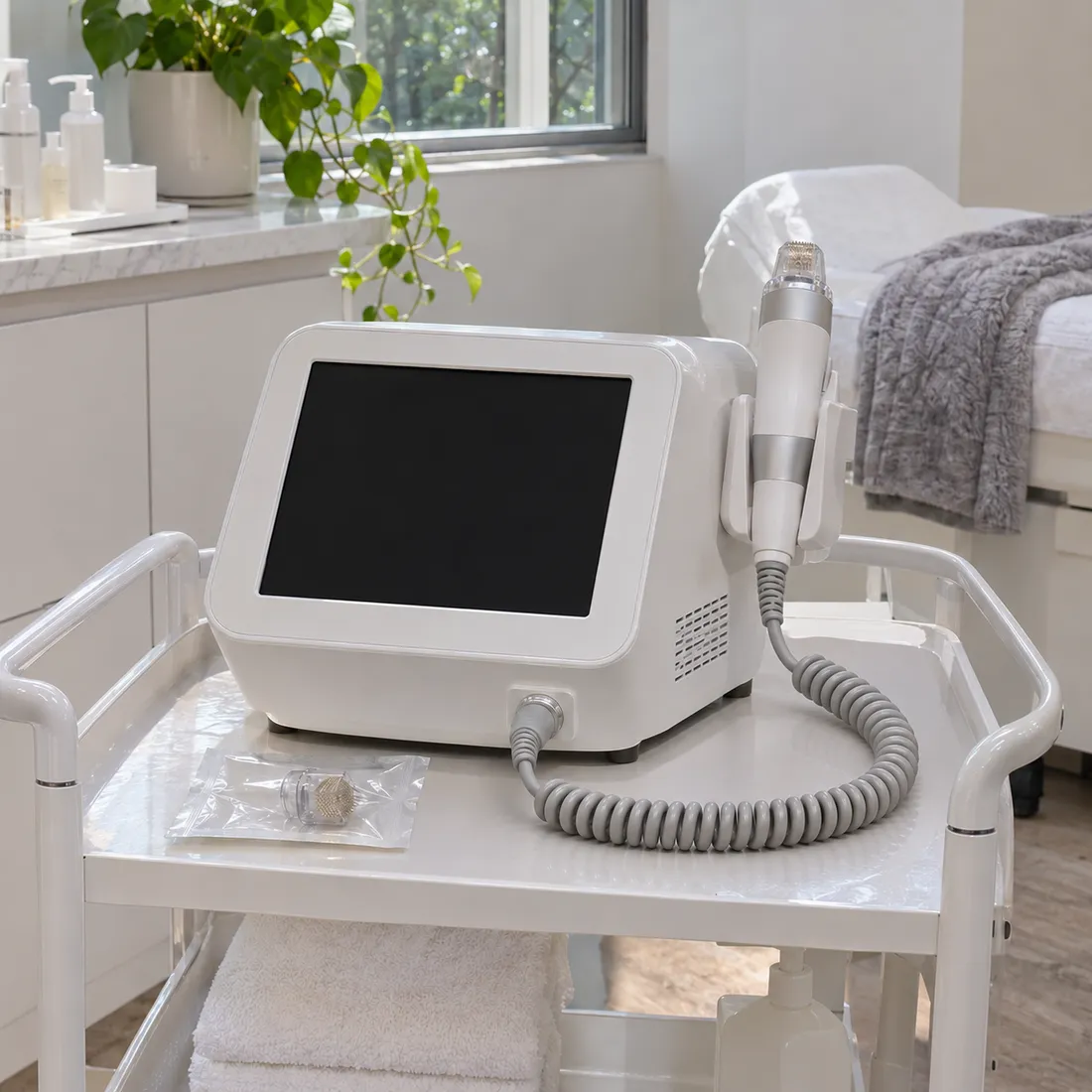
Before you compare devices, read Cleveland Clinic's explainer on what microneedling is, its uses, benefits and results.
Keep the FDA warning in its own column
A safety briefing on radiofrequency microneedling risks came from the FDA, and the American Academy of Dermatology published a statement on the FDA Safety Briefing about radiofrequency microneedling risks. Treat the first as the regulator's position and the second as a dermatology society's statement about it. A device brochure is neither.
The journal's page on what the FDA warning on RF microneedling means takes the warning on its own.
If scars are the reason you are asking
For acne scars, the American Academy of Dermatology publishes a page on acne scar consultation and treatment. Read it alongside the device pitch, not after it.
What to confirm before choosing a date
Ask which device will be used and which published source backs each concern it is meant to treat. Ask how the provider handles the FDA safety briefing. Ask how long recovery runs for your skin, then pick a date around your own calendar, not the clinic's open slot.