
Hydrafacial, Peels and Resurfacing Facials
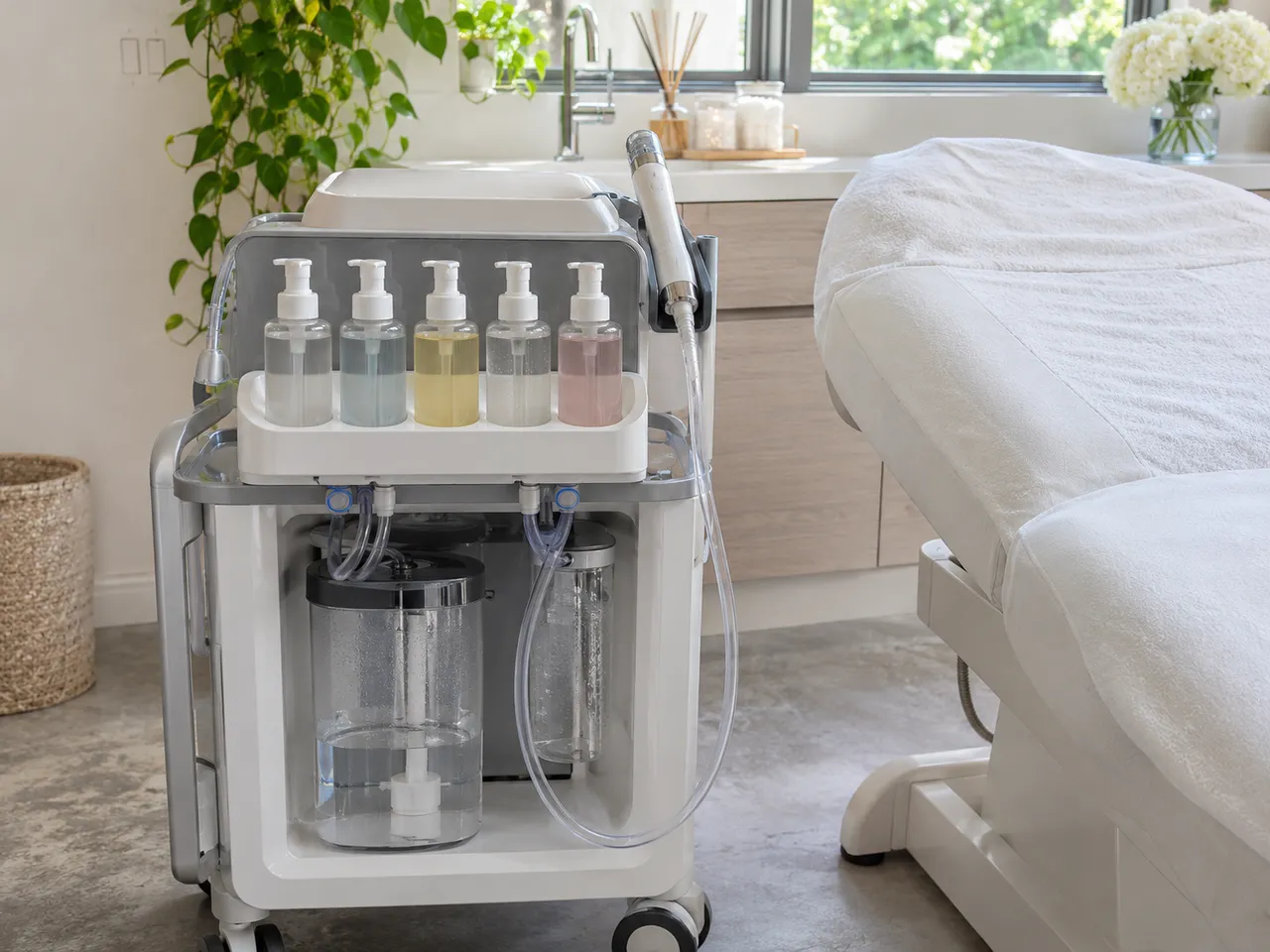
Hydrafacial and chemical peels sit in the same resurfacing family, and the question for both is how they fit your calendar. Northwestern Medicine describes one Hydrafacial step this way: "Extract and hydrate: Debris is removed from pores using painless suction."
Peels are the clearer case. The American Nurse Journal reports: "Skin peels typically are done in a series of six or more sessions, with one peel administered every 1 to 2 weeks." For a reader in Woburn, Massachusetts, or in Burlington, Winchester, Reading, Stoneham or Wilmington, that is a calendar question before it is a skin question.
Read in this order
- What Happens During a Hydrafacial explains how the visit works, step by step.
- What Skin Imaging Shows After Hydradermabrasion looks at what the skin shows afterward.
- Hydrafacial for Acne: What One Study Found reports one study's results for active acne.
- Medical Chemical Peels and Who They Suit turns to peels and the readers they suit.
- Light, Medium and Deep Chemical Peels separates the depths.
For the wider category, the American Society of Plastic Surgeons publishes an overview of skin rejuvenation and resurfacing.
Pick the peel depth before you pick a date
Read the peel depths guide before you book, so you walk into the first appointment knowing which depth you are asking about. Keep Cleveland Clinic's page on skin care services and chemical peels open while you compare.
If needles are on your list as well, the RF microneedling guide covers that family.